Licensing and enforcement for public authorities
Applications from submission to renewal, compounds and summonses issued from a handheld with the evidence attached, and incoming documents read and routed so only the exceptions reach an officer. Bought once and owned outright.
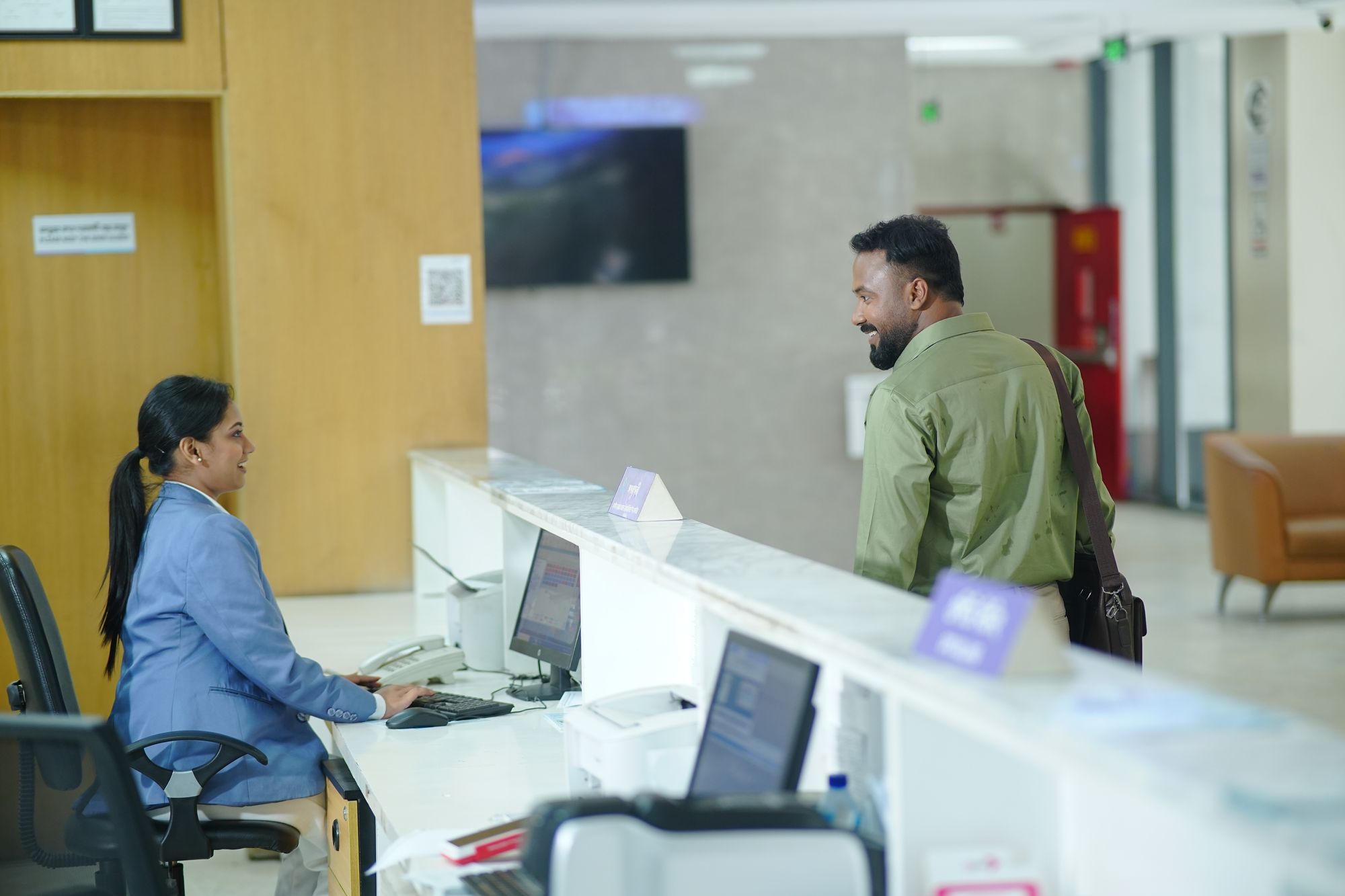
- Status the applicant sees
- Where an application has reached, without a call to the counter.
- Issued from a handheld
- Compounds and summonses with the evidence attached.
- Exceptions only
- Documents read and routed, with only the exceptions for an officer.
- Owned outright
- Runs in the authority's own data centre or cloud account.
From the counter to the field
Five features on one system, for applicants, licensing and enforcement officers, and audit.

- Applications and approvalFrom submission to approval, with status the applicant sees.
- Renewals and inspectionsConditions, renewals and inspections, on the licence itself.
- Compounds and summonsesIssued from a handheld, with the evidence and the payment.
- Document intakeForms and attachments read, validated and routed.
- Audit evidenceWho did what, and what they saw, recorded as it runs.
A day at the authority on asasii licensing
From the morning's applications to what was issued in the field by the end of the day.
- 08:30
The morning's applications
Application forms, identity documents and attachments are read once, validated and routed. Only the exceptions wait for an officer.
- 09:30
An application is approved
A licensing officer assesses it and approves it with its conditions. The approval is logged with who made it and what they saw.
- 10:30
An applicant checks
The applicant sees where the application has reached, without a call to the licensing counter.
- 11:15
A compound in the field
An enforcement officer issues it from a handheld rather than a book, with the evidence attached at the point of issue.
- 12:30
A renewal at the counter
The licence is renewed against the same record that holds its conditions and its inspections.
- 14:30
An inspection
The inspection record is kept against the licence, not in a separate file.
- 15:30
A compound is paid
The payment is held with the offence record and the evidence, and settlement reconciles back to the revenue records without a separate return.
- 17:00
What was issued, and where
Supervisors see the day's compounds and summonses and where they were issued, on the day rather than at the end of the month.
Who it's for
Four groups of people, working from the same licence and offence records.

Applicants and licence holders
Where the application has reached, without a call.

Licensing officers
The exceptions and the decisions, not the keying in.

Enforcement officers
Compounds from a handheld, with the evidence attached.

Management and audit
What was issued today, and evidence produced as it runs.
A licence, not a one-off build
The authority buys a standard product outright, runs it in its own data centre or cloud account, and keeps every record it produces. idataraya is paid to customise, install and maintain it.
| Topic | A one-off build | asasii licensing |
|---|---|---|
| What the authority buys | Software built for one authority | A standard product, configured to the authority's process |
| The rollout | Every counter at once | One office or one district first |
| Systems already in place | Replaced to make room for the new one | Kept where they are, and integrated |
| Audit evidence | Assembled from logs when someone asks | Produced by the system as it runs |
| After go-live | A warranty that expires | Maintenance by idataraya under a yearly agreement |
Security and Malaysian compliance
The questions internal audit and external auditors ask, answered by the system as it runs.
Security and data overview- PDPA 2010
- Personal data in applications, licences and offence records stays in the authority's own environment.
- Evidence with the record
- Evidence is attached at the point of issue and held with the offence record.
- Every extraction recorded
- Each extraction is recorded against the input it saw, so it can be checked rather than trusted.
- Roles
- Licensing officers, enforcement officers, supervisors and auditors each work within their own role.
- Single sign-on and MFA
- On every console, with the authority's own identity provider.
- Audit trail
- Approvals, extractions and changes to a record, logged with who did them and what they saw.

Installed and maintained by idataraya
asasii licensing runs in the authority's own data centre or cloud account, as its residency and outsourcing position requires. idataraya installs it and keeps it current, and the authority's team holds the keys, the backups and the data.
- Maintenance staffed to the obligations the tender sets
- Releases, patches and incident response
- Changes as policy and process move
- Integration with the revenue, accounting and identity systems in place
Questions public authorities ask
About licensing, enforcement, document intake and the agreement.
Can applicants see where their application has reached?
Yes. Applicants can see where their application has reached, from submission through assessment to approval. That removes a large share of the calls a licensing counter fields every day.
Where are inspection records kept?
Against the licence, rather than in a separate file. The conditions set at approval, each renewal and each inspection record sit with the licence they belong to, so a licence renewed at the counter is renewed against the same record.
How are compounds and summonses issued and settled?
They are issued in the field and at the counter, and in the field officers raise them on a handheld rather than writing them in a book, with the evidence attached at the point of issue. The offence record, the evidence and the payment against it are held in one place, and supervisors see what was issued and where on the day. Settlement reconciles back to the authority's revenue records rather than arriving as a separate return.
What does the document intake do?
Applied AI reads application forms, identity documents and supporting attachments once, validates them and routes them. Only the exceptions reach an officer, so an intake backlog no longer depends on how fast a person can key it in. Every extraction is recorded with the input it saw.
How can an auditor check what the system decided?
Every extraction is recorded with the input it saw, so a supervisor or auditor can check the decision rather than trust it. Approvals and changes to a record are logged with who made them and what they saw. That evidence is produced as the system runs, rather than assembled from logs when someone asks.
Where does it run, and can our other systems talk to it?
In the authority's own data centre or cloud account, whichever its residency and outsourcing position requires. idataraya installs it and keeps it current, and the authority's team holds the keys, the backups and the data. Revenue systems, accounting packages and identity services stay where they are, and idataraya integrates asasii licensing with them. It works beside asasii ledger for collections, asasii pos at the counter and asasii procure for the vendor portal.
How does a rollout start?
From the specification the authority issues, including the parts about documentation, handover and support. Anything in it that will not work in practice is raised during clarification, rather than found at user acceptance testing. asasii licensing then goes live in one office or one district before the authority commits a department.
What does the yearly agreement cover?
Releases, patches, the customisations made for you, monitoring, severity-based response and restoration targets, and the changes needed as policy and process move. Hosting stays with you. It covers the years after go-live rather than ending with a warranty, and idataraya is staffed to meet the maintenance obligations the tender document sets.